

For an everyday wood coaster, 3/8 inch is a practical thickness. It feels substantial when you pick it up, sits steadily beneath a drink, and still stacks neatly in the places where people naturally reach for one.
Thickness is only one part of choosing a coaster, but it changes the experience more than people expect. A very thin piece can feel slight or get lost in a stack. A much thicker one can feel bulky on a small table. The aim is not to find one universal rule. It is to choose a coaster with enough material to feel dependable, without turning a simple everyday object into a clumsy one.
The Short Answer: 3/8 Inch Is a Useful Everyday Thickness
For most homes, a wood coaster around 3/8 inch thick is a comfortable middle ground. It has enough presence to feel like a real piece of wood rather than a thin token under a glass. At the same time, it is low enough that a small stack does not take over a coffee table, bar cart, desk, or nightstand.
JC Saw & Stitch's engraved hardwood drink coasters are approximately 3/8 inch thick and 4 inches square. That combination suits the everyday things people set down most often: a coffee mug in the morning, a cold glass in the evening, a bottle during a game, or a tumbler at the desk. The size gives the base of a drink room to land, while the thickness gives the coaster a calm, sturdy feel.
A 3/8-inch coaster is not the only good choice. A thinner coaster can make sense for a lightweight, low-profile look. A thicker one can work beautifully when the design calls for a more substantial piece. But when you want one set that can move comfortably through daily life, 3/8 inch is a sensible starting point.
Why Thickness Changes the Way a Coaster Feels
Coasters are handled more often than we notice. Someone slides one toward a chair, passes one across a table, gathers a stack after guests leave, or picks one up while clearing a cup. A little thickness gives the edges something to hold onto. It also makes the coaster easier to spot against a busy tabletop, which helps it get used instead of becoming a nice idea in a drawer.
There is a visual side to it too. Wood has grain, color, and natural variation that become easier to appreciate when the piece has a little depth. A moderately thick coaster looks at home beside a lamp, a book, a ceramic mug, or a small serving tray. It reads as part of the room rather than packaging that happens to sit under a drink.
That does not mean thicker is automatically better. A coaster should still feel easy to stack and uncomplicated to use. If it is so thick that a group becomes awkward to store or a glass feels perched too high above the table, the extra material is not doing the job. The right thickness is the one that supports daily use without asking for attention.

Match Thickness With the Drink and the Table
Start with the surfaces and drinkware you use most. A low-profile water glass on a delicate nightstand may call for a coaster that feels light and unobtrusive. A large ceramic mug, insulated tumbler, or bottle on a wood coffee table benefits from a coaster that feels planted and easy to grab. A 3/8-inch hardwood coaster works comfortably in both situations because it is not trying to solve only one use.
Look at the base of the drink, not the rim. A mug can be broad at the top but narrow where it meets the table. A tumbler may taper. The coaster needs to support the part that actually lands. If you are also choosing the width, the standard coaster size guide explains why a 4-inch surface is a flexible choice for glasses, mugs, bottles, cans, and many tumblers.
The table matters too. On a compact side table, a bulky coaster can make the setup feel crowded. On a larger coffee table, a very thin coaster can visually disappear beneath a substantial drink. Think about the scale of the whole spot where it will live, not just the coaster in your hand. A useful household piece earns its place by feeling proportionate to the room around it.
Do Not Forget What Touches the Furniture
Thickness is only one part of how a coaster behaves on a table. The underside matters just as much. Cork backing gives a wood coaster a softer contact point against finished wood, painted furniture, stone, and desks. It can also help the coaster stay where it is placed, instead of sliding every time someone reaches for a drink.
That small buffer is helpful because wood changes with moisture and its environment. The U.S. Forest Service Wood Handbook covers how moisture and physical properties affect wood. In everyday terms, that is why a coaster is best treated as a useful piece of the home: wipe up standing moisture, let it dry after use, and do not leave it soaking under a wet glass for hours.
Cork also lets the wood top do its own job. The hardwood gives the coaster character and a steady surface for the drink. The backing helps the piece rest gently against the furniture below. Together, those details make the coaster feel considered without making it complicated.

Choose a Thickness That Works as a Set
A coaster is rarely used alone for long. Most homes need a small group around the coffee table, a pair near the coffee maker, or a larger set for a table where friends and family gather. Before choosing, picture the whole group stacked together. Does it feel easy to pick up one at a time? Can it sit on a tray or shelf without looking crowded? Will everyone have one within reach?
At 3/8 inch, a set has enough depth to feel intentional without becoming a block of wood when it is stacked. It is also a nice scale for mixing engraved designs. A consistent size and thickness ties a mixed group together, while the engravings let each coaster bring its own bit of personality to the table.
For a small home or apartment, four is a practical starting set. For a family room, patio, or regular hosting spot, a larger group makes the habit easier. Keep a few in the places where drinks naturally gather. The coaster-use guide has simple ideas for making the setup feel welcoming rather than formal.
What to Look for Beyond the Number
Measurements matter, but the finish and construction deserve equal attention. The edges should feel smooth in the hand. The coaster should sit flat without rocking. The face should give a drink a stable landing place, and the backing should be cleanly attached. These are quiet details, but they are what make a piece feel good every time it is used.
Natural wood variation is part of the appeal. Grain can shift from piece to piece, and the tone may look warmer or cooler depending on the room's light. That variation does not make a set mismatched. When the pieces share a similar size, thickness, and finish, it makes them feel handmade and personal.
For everyday care, use a lightly damp cloth when needed and dry the coaster promptly. Avoid a dishwasher, long soak, or harsh cleaners. The goal is not to make the coasters precious. It is to let them keep doing their simple job, then put them back out for the next coffee, water glass, or evening drink.
A Practical Choice for Everyday Tables
The best coaster is the one people actually use. A 3/8-inch hardwood coaster is thick enough to feel steady, easy enough to stack, and balanced enough to suit a side table, coffee table, desk, or bedside surface. Pair that thickness with a 4-inch footprint and cork backing, and you have a useful everyday setup for most common drinkware.
JC Saw & Stitch makes handmade engraved coaster designs for tables that deserve a little more character. Choose a design that fits your home or a person you are shopping for, then leave the set where it can do its job. A good coaster does not need special handling. It just needs to be close by when a drink needs a place to land.
Wood Coaster Thickness FAQ
How thick should wood coasters be?
For an everyday hardwood coaster, about 3/8 inch is a practical thickness. It feels substantial on the table and in the hand, while a small stack remains easy to store and pass around.
Are thicker coasters better?
Not always. A very thick coaster can look substantial, but it can also feel bulky in a stack. The best choice is one that sits flat, supports the drink steadily, and feels easy to use in the room where it will live.
Do wood coasters need cork backing?
Cork backing is useful because it creates a softer contact point with the table and helps the coaster stay put. It is a practical detail for finished wood, painted surfaces, desks, and other furniture you want to protect.
What size and thickness work together for everyday coasters?
A coaster around 4 inches square and 3/8 inch thick is a flexible everyday combination. The width gives most common drink bases room to land, while the thickness gives the piece a solid, easy-to-handle feel.
Related posts
What Is the Standard Coaster Size? 4-Inch Guide
Find the standard coaster size for everyday glasses, mugs, tumblers, bottles, and cans, plus when to choose a larger fit.
Read the guide
Coffee Table Tray Decor: 8 Easy Styling Ideas
Try easy tray arrangements for small living rooms, cabins, and family rooms, with coasters, books, and simple accents.
Read the guide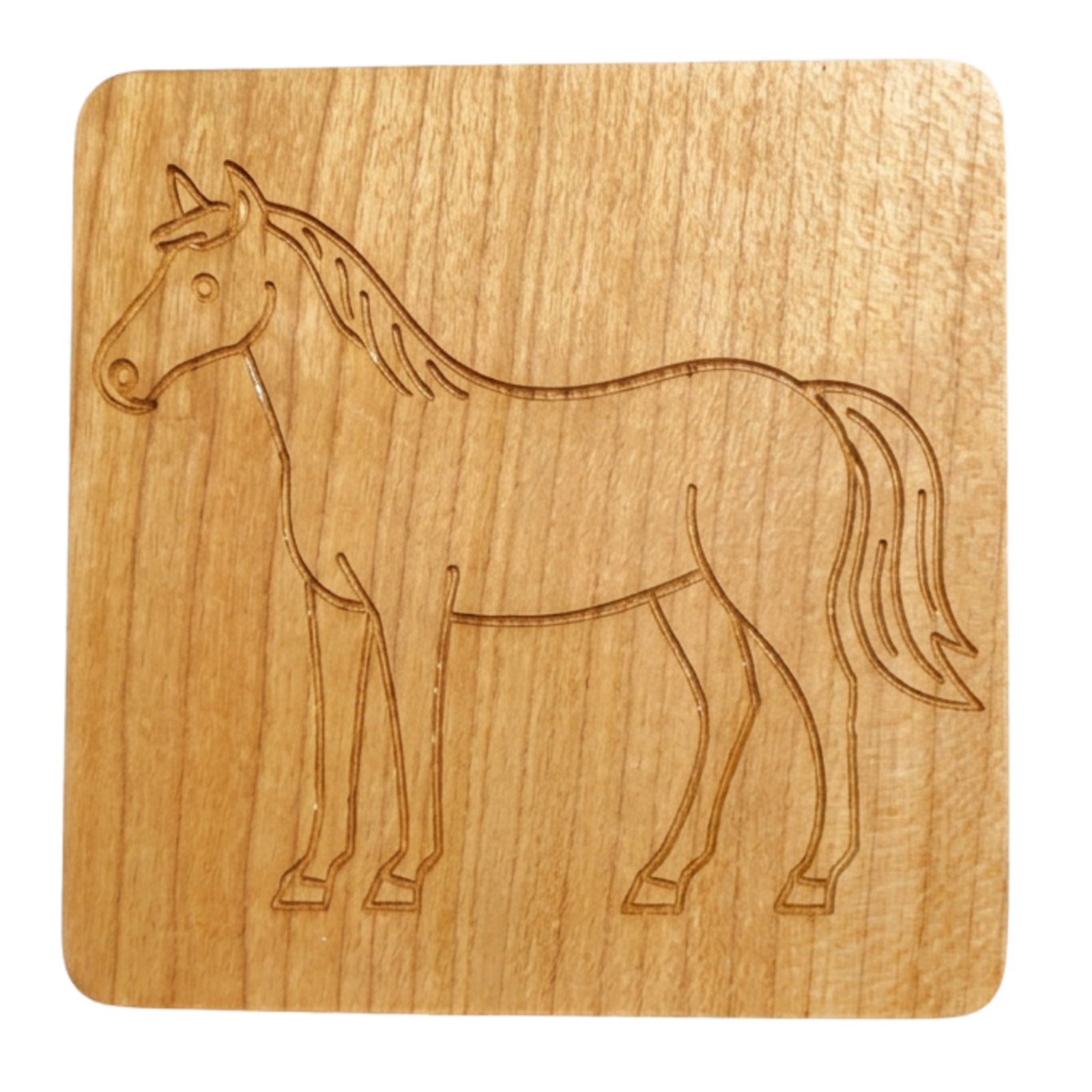
How to Use Coasters: Which Side Goes Up?
Simple ways to use coasters, choose the right side up, and protect the table every day.
Read the guide
Wood Drink Coasters: A Guide to Choosing Them
Choose a hardwood coaster that protects the table and feels right at home.
Read the guide